Terroir & Heritage: The Ceramic Masters of Bizen
Examining the symbiotic bond between Okayama’s unglazed clay kilns and the evolution of Japanese seasonal cuisine.
In the small mountain valley of Inbe, thick sweet smoke has curled from split-wood kilns for more than a thousand years. Unlike porcelain glazed in brilliant cobalt or jade celadon, Bizen ware is completely unadorned. Its beauty is derived entirely from the earth: volcanic mud dredged from paddy fields and fired with red pine wood over ten continuous days.
The Plate as an Extension of Terroir
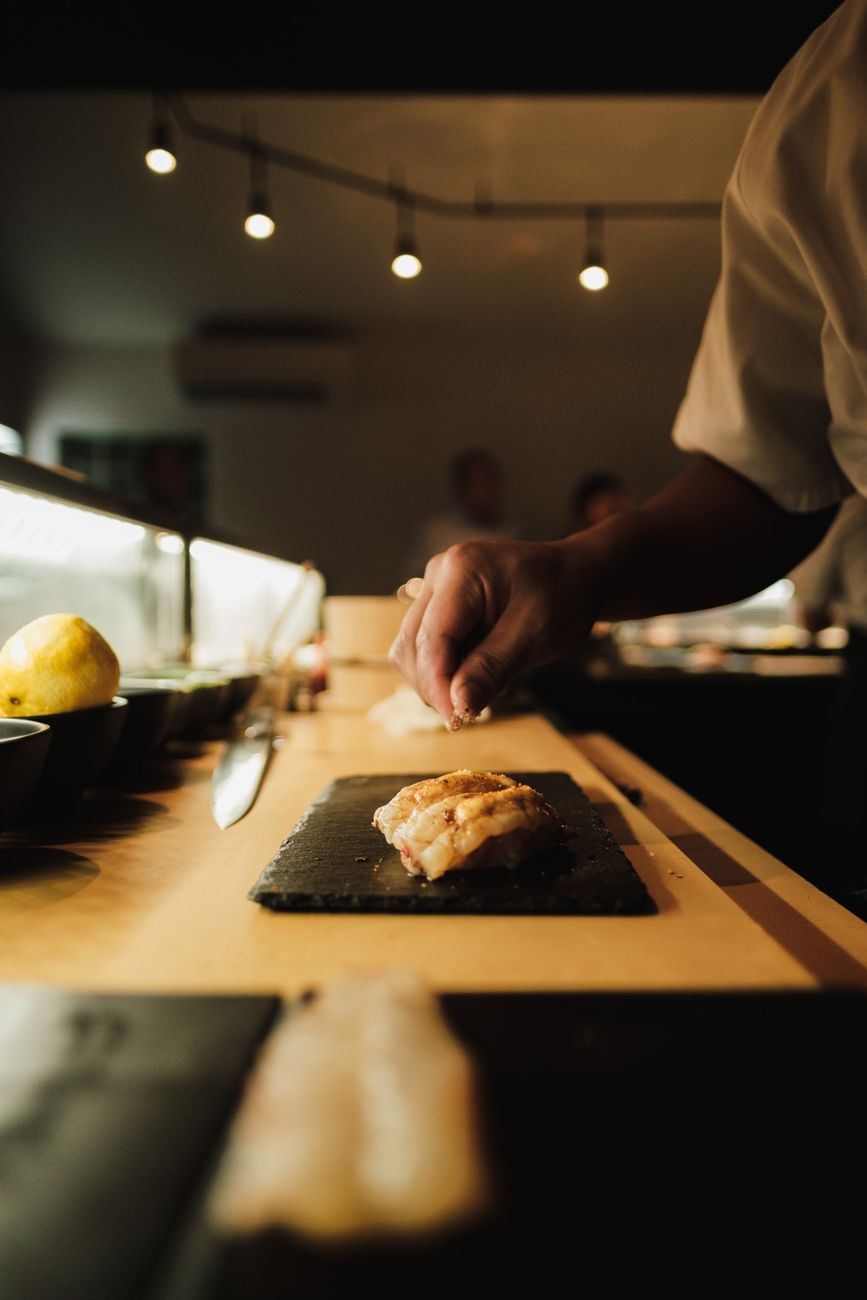
During our residency with Master Potter Kenjiro, we observed how kaiseki culinary masters visit the kilns not to pick uniform vessels, but to seek the irregular. A plate stained with scorch marks from falling embers (*sangiri*) provides the stark canvas for sliced winter sea bream and wild mountain wasabi.
"When food meets a plate formed of raw earth, you are not merely dining; you are tasting the mountain geology itself."
The Ten-Day Firing Ritual
The firing of a traditional anagama kiln requires round-the-clock vigilance. Teams of apprentices stoke the flames with hundreds of bundles of seasoned pine, monitoring temperatures that exceed 1,250 degrees Celsius. The ash floating through the chamber melts onto the clay, creating a natural vitrified patina that can never be duplicated by synthetic kilns.
Experience Japan's Artisan Trails
Access private studio visits and reserved kaiseki seatings through 111111.