The Solitude of Western Fjords: Living With the Tides
How two weeks in an off-grid timber sanctuary along the Sognefjord recalibrated our understanding of space, silence, and shelter.
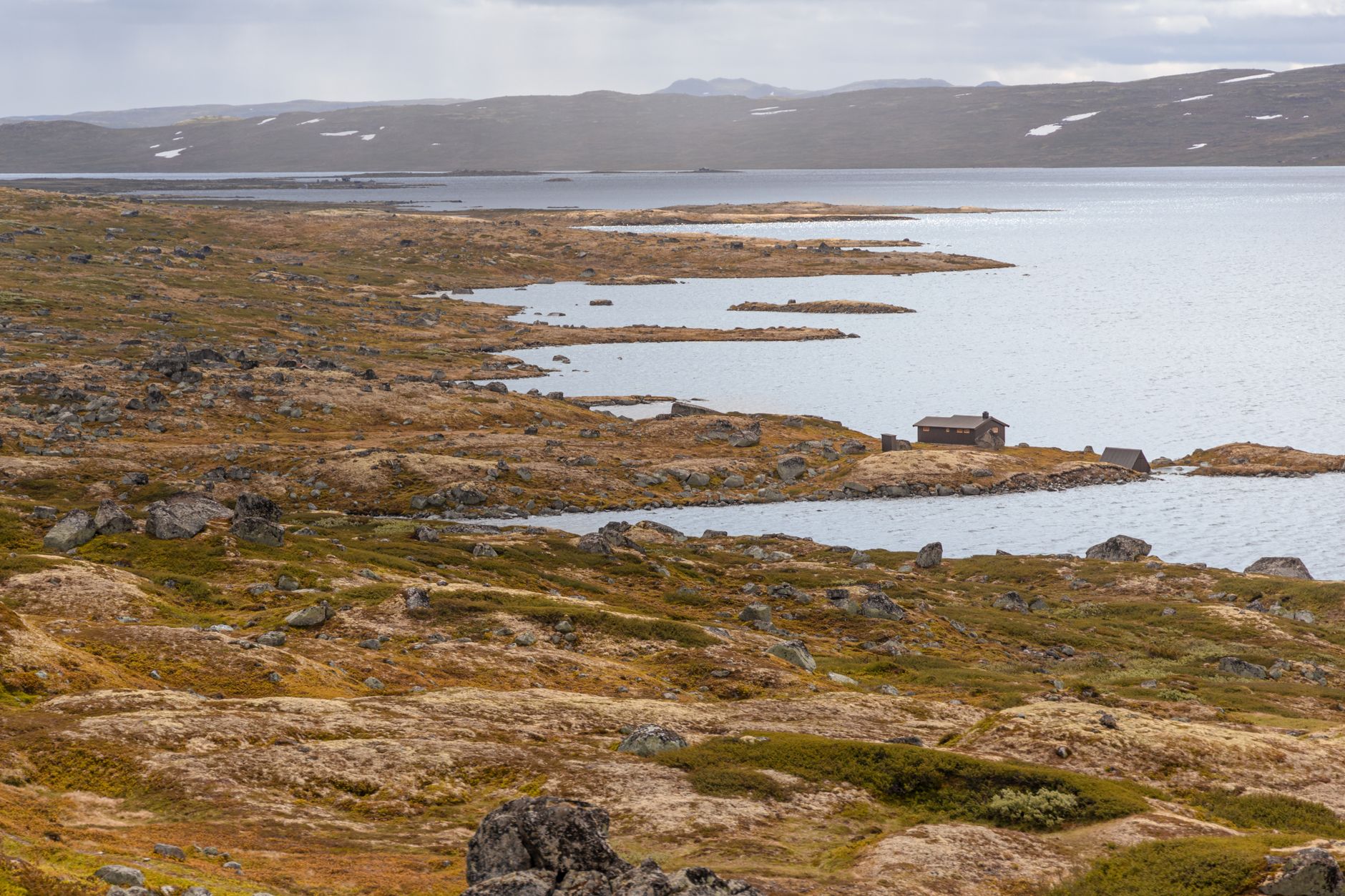
When darkness descends upon the fjord at four in the afternoon, the world does not shut down; it deepens. The water, mirror-flat and black as obsidian, mirrors only the cold stars and the flickering amber glow from our pine hearth. Here, three hours north of Bergen, the hum of terrestrial highways does not penetrate.
The Vernacular of Pine & Slate
The shelter itself is an exercise in restraint. Built by a local master carpenter using slow-grown Scots pine harvested from the mountain above, its proportions bow to the steep gradient. There are no ornamental cornices. Slate tiles from an abandoned nineteenth-century quarry shield the roof from horizontal rainstorms driven by the North Atlantic.
"In the high fjords, minimalism is not an interior decoration doctrine; it is survival and serenity reduced to timber, wool, and hearthstone."
Navigating by Ferry and Foot
Access requires patience. One arrives via an electric hybrid postal ferry that docks for precisely four minutes at a wooden jetty before fading silently into the mist. Daily provisions come not from supermarkets, but from salted cod cured in sea wind and sourdough fermented in stone larders.
- Morning observation: Low-hanging cloud banks lifting at 09:30.
- Tidal shift: Two meters of crystalline fjord clearance revealing kelp forests.
- Heating requirement: Two birch logs per hour maintaining 20°C indoors.
For the traveler accustomed to relentless digital notifications, this landscape offers something rarer than comfort: uninterrupted focus. Sitting by the paned window, watching sea eagles circle the granite cliff-face, one remembers what genuine stillness feels like.
Plan a Similar Expedition
Consult our curated architectural route through Western Scandinavia.